Weight Stigma Across Women’s Lives: Insights from the Women’s International and Intersecting Stigma Experiences (WIISE) Study
December 14th, 2026 | 12pm
Weight stigma is a pervasive and often overlooked social determinant of health that disproportionately affects women across the life course. This presentation will introduce the concept of weight stigma and examine its prevalence and biopsychosocial impacts on women’s health and wellbeing. Drawing on findings from the Women’s International and Intersecting Stigma Experiences (WIISE) study, we will share insights from 90 narrative interviews with women living in Canada, Germany, and the United Kingdom. These narratives explore how weight stigma is experienced during key life stages, including puberty, the perinatal period, and menopause, while highlighting the unique experiences of women with intersecting marginalized identities. Finally, we will discuss current gaps in the literature and future research priorities to advance equitable, person-centred approaches that reduce stigma and improve health outcomes for women.
Dr. Taniya Nagpal
 Dr. Taniya Nagpal is an Assistant Professor in the Faculty of Kinesiology, Sport, and Recreation at the University of Alberta. Her research focuses on women’s health and wellbeing and seeks to understand how psychosocial factors, especially weight stigma and health related stigma more broadly, affect health behaviours, healthcare access, and outcomes across life stages including preconception, pregnancy, postpartum and menopause.
She earned her PhD from Western University, followed by a Mitacs funded postdoctoral fellowship at the University of Ottawa and with the Society of Obstetricians and Gynaecologists of Canada, working on weight stigma in prenatal contexts including measuring and understanding implications of internalized stigma.
Dr. Nagpal’s work is marked by its intersectional, person centred approach. She is dedicated to designing inclusive interventions and translating research findings into policy and practice to reduce stigma, improve clinical care, and empower women to navigate healthcare with greater autonomy, confidence, and equitable access.


 Dr. Karolina Skibicka is a Professor and Canada Research Chair Tier 1 in Neurocircuitry of Interoception at the Hotchkiss Brain Institute, University of Calgary, Canada. She previously served as an Associate Professor and Metabolic Physiology Chair in the Department of Nutritional Sciences at Penn State University, USA and a Professor of Molecular Medicine at the Institute of Neuroscience and Physiology at the University of Gothenburg, Sweden. Dr Skibicka earned her PhD in Neuroscience from the University of Pennsylvania, Pearlman School of Medicine and her postdoctoral training in Neuroendocrinology at the Sahlgrenska Academy, Sweden.
 Marie-France Marin holds a Ph.D. in neuroscience from the University of Montreal and completed postdoctoral training at Massachusetts General Hospital, Harvard Medical School. She directs the STEAM Lab (Stress, Trauma, Emotions, Anxiety & Memory Lab), is a professor in the Department of Psychology at the University of Quebec in Montreal, an associate professor in the Department of Psychiatry and Addiction at the University of Montreal, and a researcher at the Research Center of the Montreal University Institute of Mental Health. She holds the Canada Research Chair in Hormonal Modulation of Cognitive and Emotional Functions. Her research focuses on two main areas: one examining the mechanisms by which stress hormones and sex hormones influence cognitive and emotional processes, and the other examining the risk and protective factors influencing the development of psychopathologies in young people and vulnerable populations. Her research aims to better identify the hormonal, cognitive, and environmental factors that contribute to a person’s vulnerability to developing anxiety disorders and post-traumatic stress disorder.
 Dr. Robyn McQuaid is an Associate Professor in the Department of Neuroscience at Carleton University and a Scientist at the University of Ottawa’s Institute of Mental Health Research in the Culture & Gender Research Unit. Dr. McQuaid’s research examines the impacts of stressors and traumatic experiences on mental health disorders among various populations. She examines the neuroendocrine, inflammatory and genetic/epigenetic pathways through which early-life adversity and adult stressors promote depression and comorbid conditions. A focus of her work is using biomarkers to inform future precision medicine advances for mental illness. Much of Dr. McQuaid’s research program is conducted with groups that have historically been mistreated or excluded from biological health research, which includes a large focus on women’s mental health. Dr. McQuaid is the recipient of an Ontario Early Researcher Award (ERA), The Royal Ottawa Foundation’s Inspiration Award for Young Researcher, and the IMHR’s Emerging Research Innovators In Mental Health award.
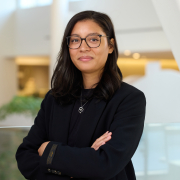 Alexis is an epidemiologist broadly focused on the causes and consequences of disparities in accelerated aging. She is particularly interested in the structural and psychobiological mechanisms that may produce early health declines in minoritized populations. Much of her work has focused on the health of women, especially Black women, as they enter into life-stages, such as the midlife menopausal transition where cardio-metabolic risk is high and disparities can exacerbate. Alexis also has expertise in causal inference, and applies causal inference theory and statistical methods to these areas of research to mitigate and quantify bias. Overall, her work aims to advance health equity and support minoritized populations to thrive as they age.
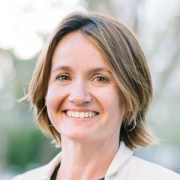 Dr. Riley Bove is a practicing neurologist and clinician scientist in the UCSF Weill Institute for Neurosciences.
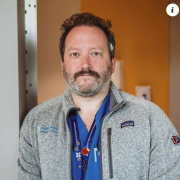 Dr. Kingston is originally from Moncton, NB and completed his Neurology Residency at the University of Toronto where he served as Chief Resident. He has a subspecialty fellowship in Headache Medicine from Mayo Clinic Arizona. He is the founder and director of the headache clinic and headache in pregnancy clinic at Sunnybrook Health Sciences Centre. He founded and directs the headache medicine fellowship at Sunnybrook. He is the education site director for Adult Neurology at Sunnybrook and is also the chair of the Neurology Competency Committee. He is on the board of directors of both the Canadian Headache Society and Migraine Canada. His major clinic and research interests are in headache in pregnancy and cluster headache.
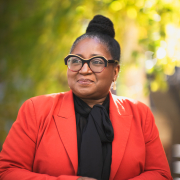 Dr. Notisha Massaquoi is an Assistant Professor in the Department of Health and Society at the University of Toronto Scarborough, with cross-appointments in the Factor-Inwentash Faculty of Social Work and the Temerty Faculty of Medicine. She is the Founder and Director of the Black Health Equity Lab (BHEL), a community-engaged research lab dedicated to advancing health equity for Black communities through collaborative research, advocacy, strategic initiatives, and program development.

