


“When Voices Go Unheard”: Gender Gaps in Symptom Dismissal
Author: Ghoncheh Eijadi, MSc Student; The Technical University of Munich | Editors: Tashi Stampp, Romina Garcia de leon (blog coordinators) Reviewer: Harman Grewal
Published: May 29, 2026
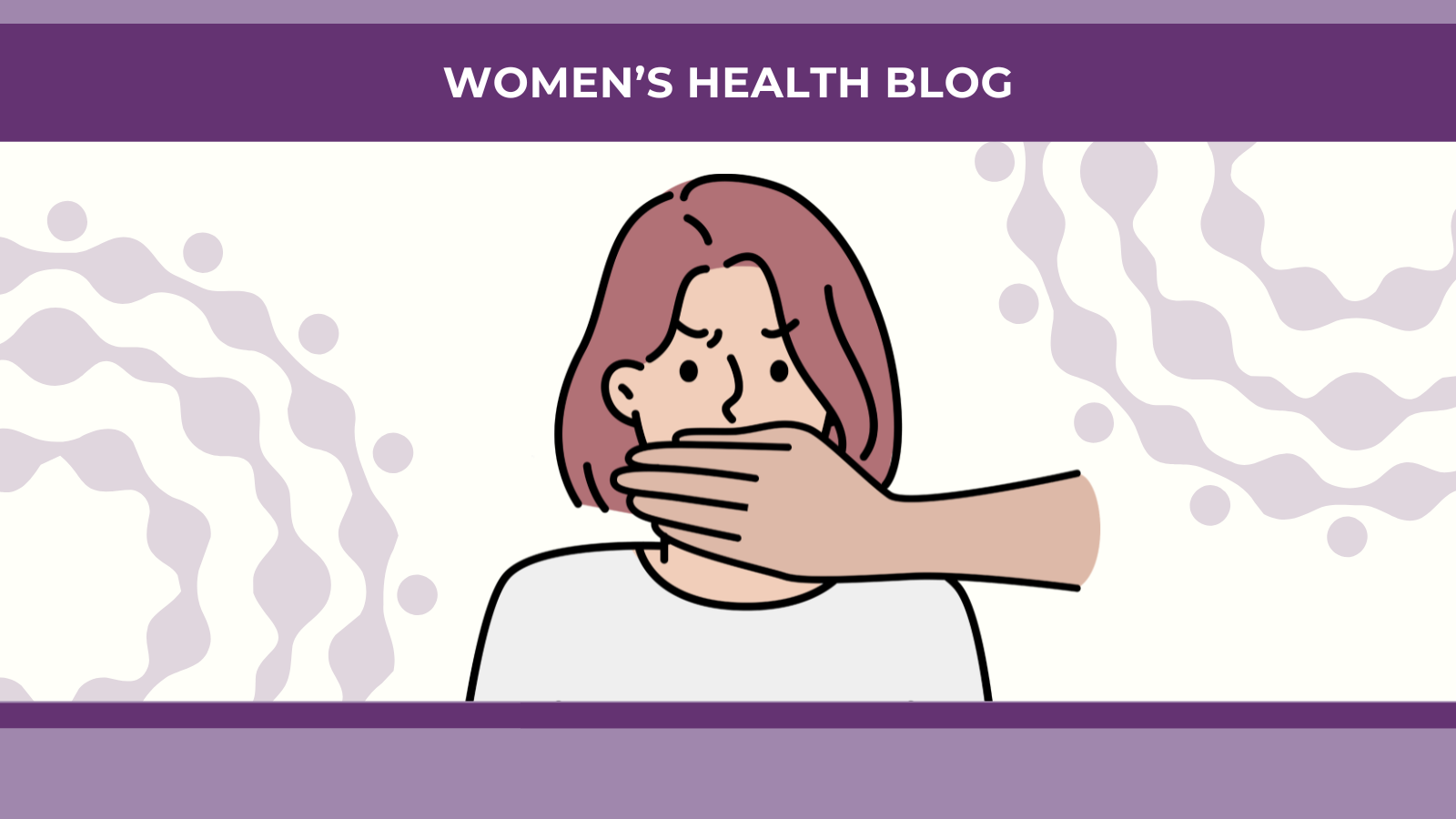
Gender disparities continue to persist within the healthcare system globally. International research highlights this issue through the lens of patient-provider interactions. In the United Kingdom (UK), researchers reported that 84% of women described feeling unheard and dismissed by their healthcare providers. In British Columbia, the BC Women’s Health Foundation and Pacific Blue Cross published a report based on surveys, consultations, and existing research, claiming that 51% of women reported feeling overlooked by healthcare professionals. The women further explained that these feelings stemmed from a multitude of reasons; communication challenges, lack of empathy from their provider, the belief that the healthcare provider was overworked, or due to discrimination. This warrants concern as the minimization and dismissal of symptoms can lead to misdiagnosis or delay in proper care and treatment. Raising awareness about this gender gap in women’s healthcare is essential, particularly among those with power to improve clinical education and research priorities to drive meaningful change within existing systems.
How Bias Shapes Diagnosis in Clinical Settings
This bias has real health consequences and contributes to poorer outcomes in conditions like Cardiovascular Diseases (CVD). CVDs are the leading cause of morbidity and mortality worldwide, as well as the leading cause of death among women. Coronary Heart Disease (CHD) is a disorder under the umbrella of CVDs and refers to the disease of the blood vessels that provide oxygenated blood to the heart. Although this is a health issue that affects all people, the probability of receiving optimal care is highly influenced by a patient’s gender.
This disparity has been highlighted in clinical practice, as demonstrated by a research study, where physicians were asked to review videos of patients with varying characteristics but same symptoms. When middle-aged women played the patients, the physicians were less certain of the CHD diagnosis. The results showed that around 31% of middle-aged women received a misdiagnosis of a mental health condition, compared to around 15% of their male counterparts. This indicates that physicians’ interpretation of the patient’s symptoms varied by gender, even when patients presented identical symptoms of CHD. It is crucial to address this bias in gender-based characteristics, as they may cause a delay or inaccurate diagnosis that can lead to tragic consequences, such as myocardial infarction.
Gender disparities in CHD are not evident only in the diagnosis, but also in the treatment and outcomes experienced by women. This can be explained by research in the UK, which found that women with CHD tend to have poorer short- and long-term outcomes and have been found to be less likely to receive thorough treatment. This claim is further supported by a comprehensive review of existing research that found women consistently received inadequate care compared to men in various areas of CHD treatment. Women were less likely to receive invasive therapies or be referred to rehabilitation programs, given less medications and prescriptions, and finally had less access to healthcare resources.
When Women’s Pain Isn’t Taken Seriously
Researchers have also explored whether gender bias plays a role in how doctors assess symptoms of nonspecific, functional, and somatoform (NFS) syndromes. This condition includes symptoms such as fatigue or pain without a clear medical explanation. A Swedish study found that physicians were more likely to diagnose women with back pain as having NFS compared to men portraying the same symptoms. This diagnostic imbalance may stem from physician’s bias, with women’s pain more often attributed to psychological factors instead of being thoroughly assessed for biological causes.
The issue of unsatisfactory and disproportionate pain management among women is a well documented problem in medicine. Given the subjective nature of pain and the social and psychological factors that influence how it is interpreted by healthcare providers, women across diverse healthcare settings are at greater risk of having their pain be underestimated, misdiagnosed, or untreated. Researchers explored sex bias in pain management decisions from emergency department records of patients across the United States and Israel, and found that, regardless of the nurse or physician’s gender, healthcare providers were less likely to prescribe pain medication to women compared to men, even when women reported the same level of pain.
From Awareness to Action
The roots of these systemic inequities stem from patriarchal viewpoints deeply ingrained in medical history and education. Women have often been excluded from clinical trials as they were considered to be confounding variables to the “norm” population of Caucasian males, resulting in a lack of sex and gender-based analysis. The language used in medicine can be invalidating to women’s health concerns, as historically, women have often been characterized as “emotional” and “prone to exaggeration”. These stereotypes have contributed to the consistent underestimation of their reported symptoms. These assumptions are often unconscious but may shape a physician’s treatment decisions and diagnoses.
Awareness of these gender biases in the healthcare system is the first step. However, taking action to address these issues is critical. The dismissal of women in healthcare spaces not only leads to misdiagnosis and delays in appropriate care but also results in poorer outcomes and erodes patients’ trust in their physicians. As a consequence, this bias could reduce patient engagement and willingness to advocate for their own health, potentially perpetuating poorer health outcomes for women.
The first step in tackling this disparity, and the negative stereotypes behind it, is ensuring that doctors and health care providers are aware of this issue. It is essential for healthcare providers to identify their biases and consider how unconscious judgments may affect patient care and safety. Ultimately, increasing the inclusion of women in medical research can help inform future medical education, ensuring that clinicians are better equipped to provide equitable care.

