


Loss, Grief, Silence, and Working Moms
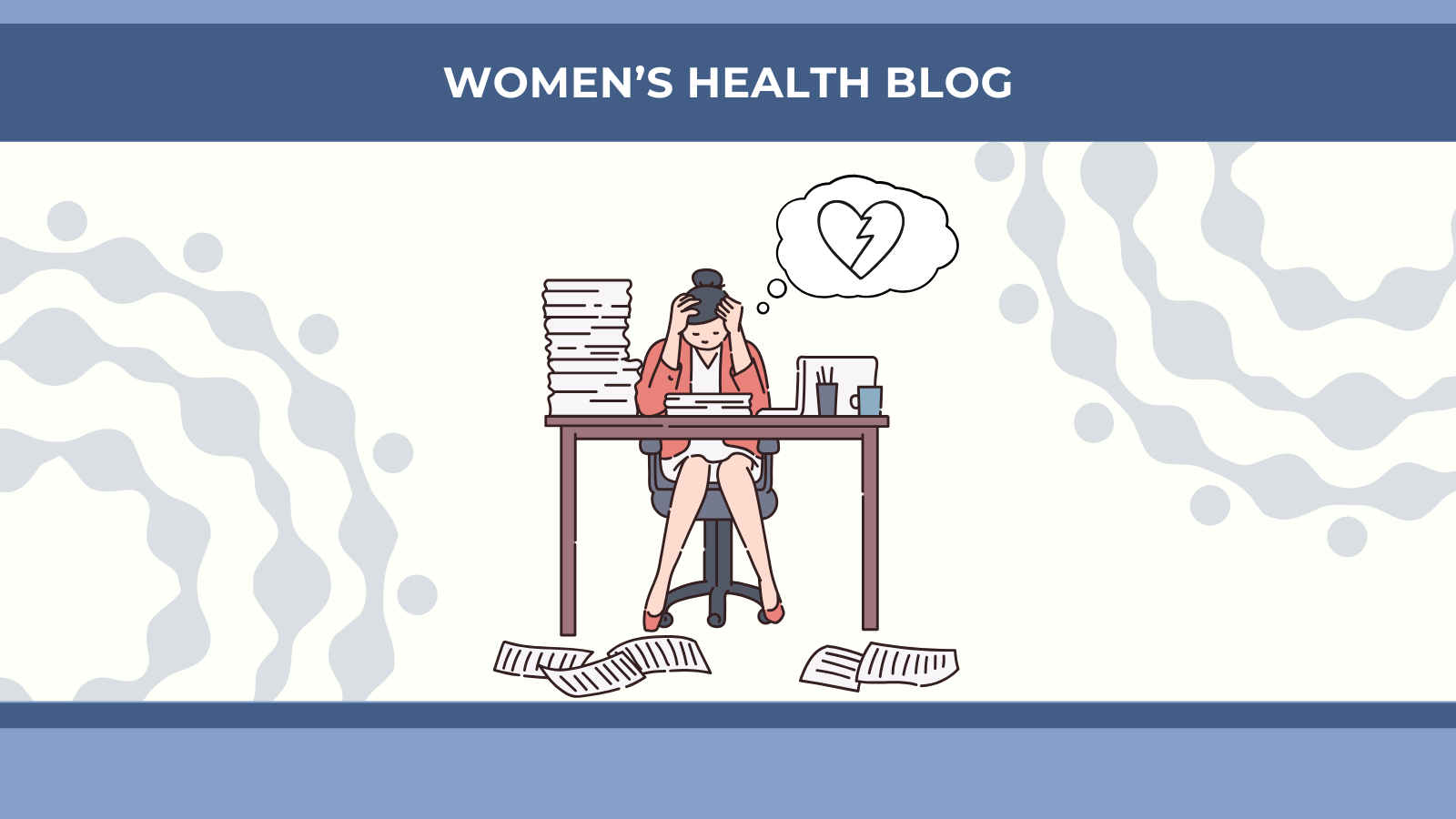
Author(s): Jacynthe L’Heureux, PhD Candidate; Abigail Stites, MSc Student; School of Population and Public Health, University of British Columbia | Editors: Tashi Stampp and Romina Garcia de leon (blog coordinators) Reviewer: Emilie Theberge
Published: March 6th, 2026
Note to Readers:
This post includes discussion of pregnancy, infant loss, grief, and mental health, which some readers may find difficult. All names, ages, and personal details have been changed to protect the privacy of research participants. Passages from interviews have been lightly edited or shortened to help convey experiences more clearly.
Working While Grieving, Balancing Loss and Life
Family and work are two of the most defining parts of our lives and identities. Though these worlds often remain separate, the death of a loved one can blur and collapse the boundaries between them. The grief that accompanies the loss of a baby—or the ability to conceive—can be especially devastating, echoing through both spheres in profound and lasting ways.
Our research explores how loss occurring before, during, or after pregnancy can shape women’s experiences in the workplace. Through interviews, we asked women how they navigated grief alongside professional responsibilities and organizational expectations. Many described grief as a natural, deeply human response, which is often minimized, ignored, or silenced at work. Workplace cultures frequently conveyed to women that grief should be kept private, contained, managed, and resolved quickly.
Many women spoke of a deep disconnect between who they were before and after their loss—a profound shift in identity and engagement with work. This “before” and “after” was expressed by Sarah, 36, who experienced an ectopic pregnancy:
“As you start to come out of it, or get through it, and you’re on the other side and you’ve… kind of lost who you were before… It just chips away at parts of you and so when you look back, it changes who you are.”
Acknowledging Grief in the Workplace and Women’s Mental Health
Women’s distress came from not only the loss itself, but it was often intensified by inadequate workplace support. They spoke about the limitations of parental leave, benefits, policies tied to gestational age (the length of pregnancy in weeks), employment and birthing statuses. Women noted that access to medical leaves was dependent on having a depression diagnosis, rather than acknowledging grief after the loss of a baby. Mary, 32, who lost her twin babies, shared:
“And then another thing is when they were like, filling out the form… Your doctor didn’t put in a diagnosis, but we need a diagnosis…. And I’m like, I don’t have one. Like, I was never diagnosed with depression or anxiety or anything like that. Like this is normal. Feeling deeply sad is a normal response to what I went through.”
Women described feeling like they had to jump through procedural, medical and legislative hoops just to access basic support. This left many feeling overlooked and unsupported, as if their loss and grief were invisible, unreal or not fully recognized.
How Social and Emotional Transitions Can Impact Women’s Careers
Returning to work often brings its own challenges. The women interviewed faced difficult choices about disclosing their loss—deciding who to tell, what to say, and how much to share. Some found themselves having to choose to relive the loss with coworkers or supervisors in order to access social support, work accommodations, and role flexibility. Others kept their loss private to protect themselves from judgment, further isolation, or workplace mistreatment (e.g., having work hours reduced, being taken off projects).
The women we interviewed shared lasting impacts on their career trajectories, including missed professional opportunities, reduced productivity, and at times, less connection to being employed. These outcomes have clear implications for the economic stability and security, employability, and overall well-being of women across Canada.
Women highlight that grief is not just a personal experience, but a workplace and policy issue. Supporting women—and their partners—through loss requires more than individual understanding. It requires adequate, accessible, and effective labour and workplace policies. Protecting women’s well-being at work, preserving their employment, and adapting work environments and cultures are critical steps forward.
Creating Safe Space for Grief in the Workforce
Grief after loss is deeply personal, yet it touches the broader structures of work and life. Listening to women’s experiences reminds us that support is not optional—it is essential. The silence surrounding grief at work can isolate, deepen disconnection, and prolong poor health outcomes. Meaningful changes in policy and workplace practices can give women the space to grieve, recover, and continue contributing their talents fully.
Creating workplaces where loss is met with compassion and support—not silence and performance concerns—is essential for Canada’s workforce to truly include women and the full realities of their lives. Advocates and researchers have suggested various ways of supporting women in the workforce after a reproductive loss. Policymakers have been called on to provide employment protection (i.e., job protection if an employee takes time off to grieve and heal) and benefits (e.g., miscarriage bereavement leave) for those grieving a perinatal loss. Awareness and training for managers and workplaces on how to communicate, work with and support those grieving have been recommended, as well as workplaces offering practical support such as reduced workloads, remote work, and flexible work hours.

